Research Guides
Plain-language guides to peptide biology, the math behind the calculator and the main areas of peptide research, arranged in reading order.
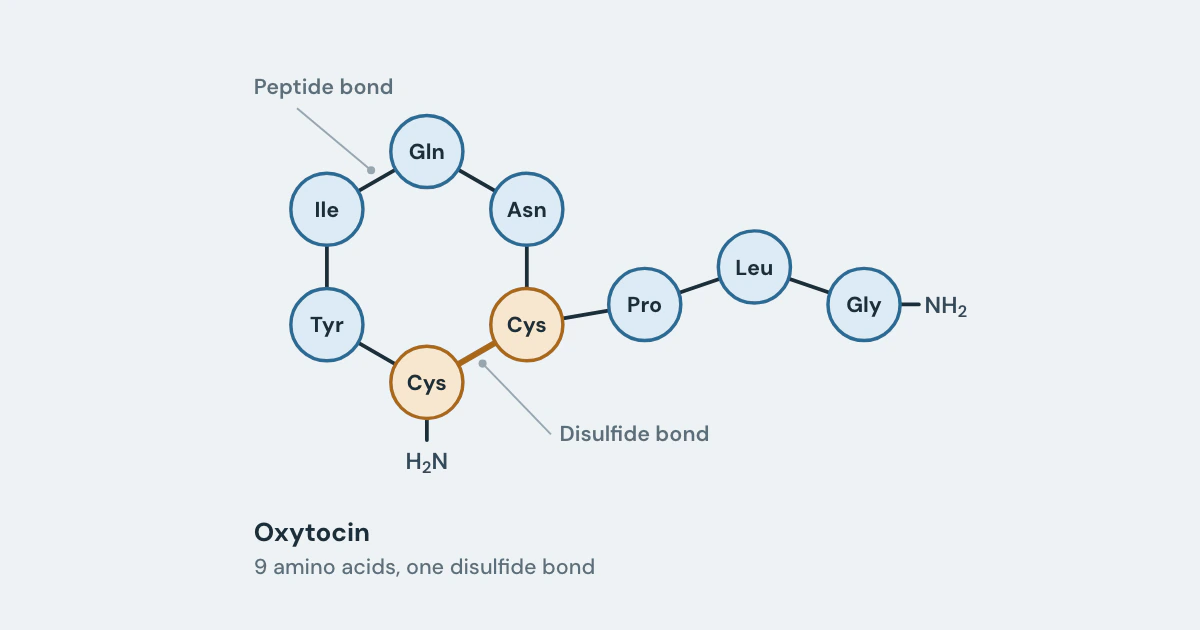
Start with the foundations
What peptides are, how they differ from proteins and steroids, and where they come from.
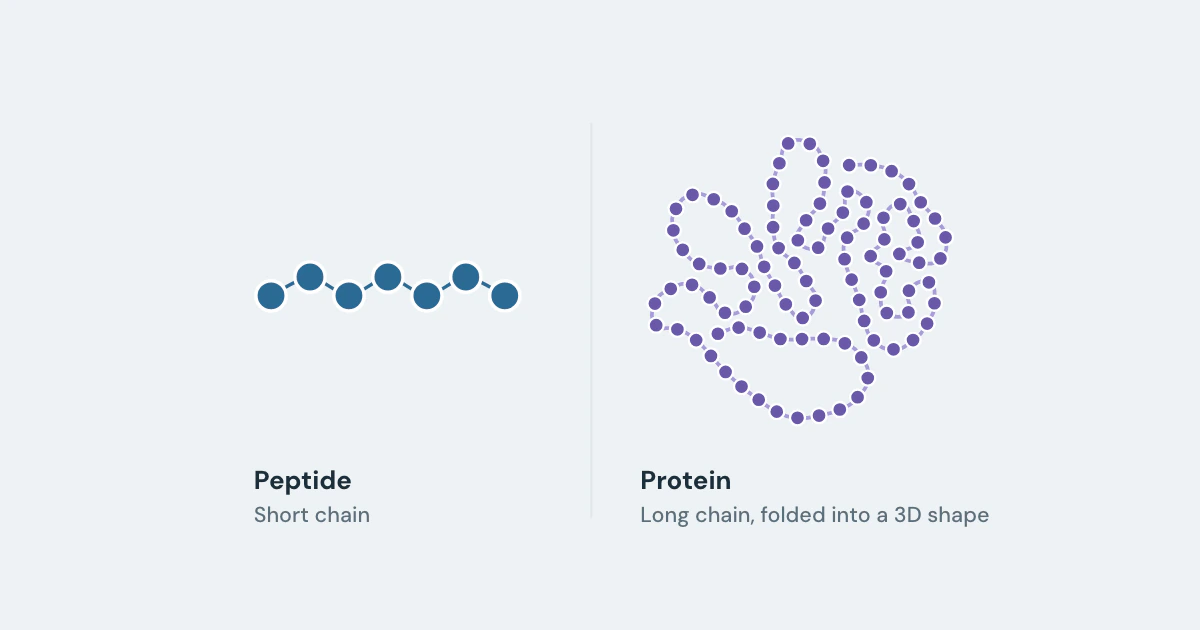
Peptides vs. Proteins
Compare peptides and proteins by amino-acid chain length, folding, stability, biological roles and research applications.
6 min read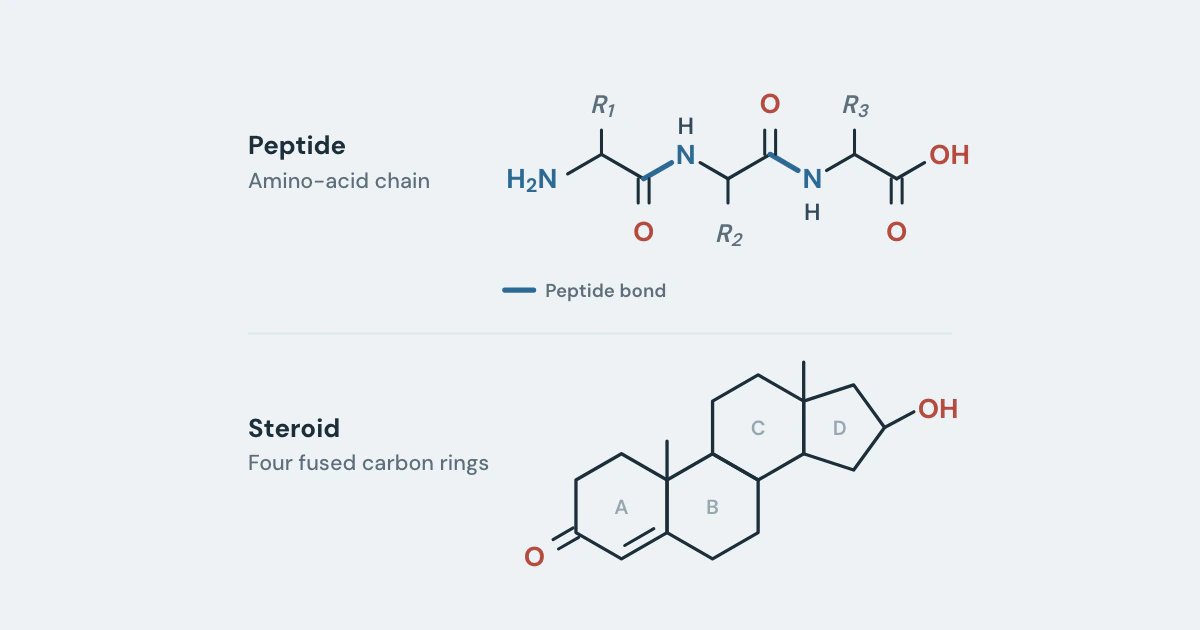
Peptides vs. Steroids
Compare peptide and steroid chemistry, signaling mechanisms, evidence, regulation and risks without treating either class as one uniform category.
7 min read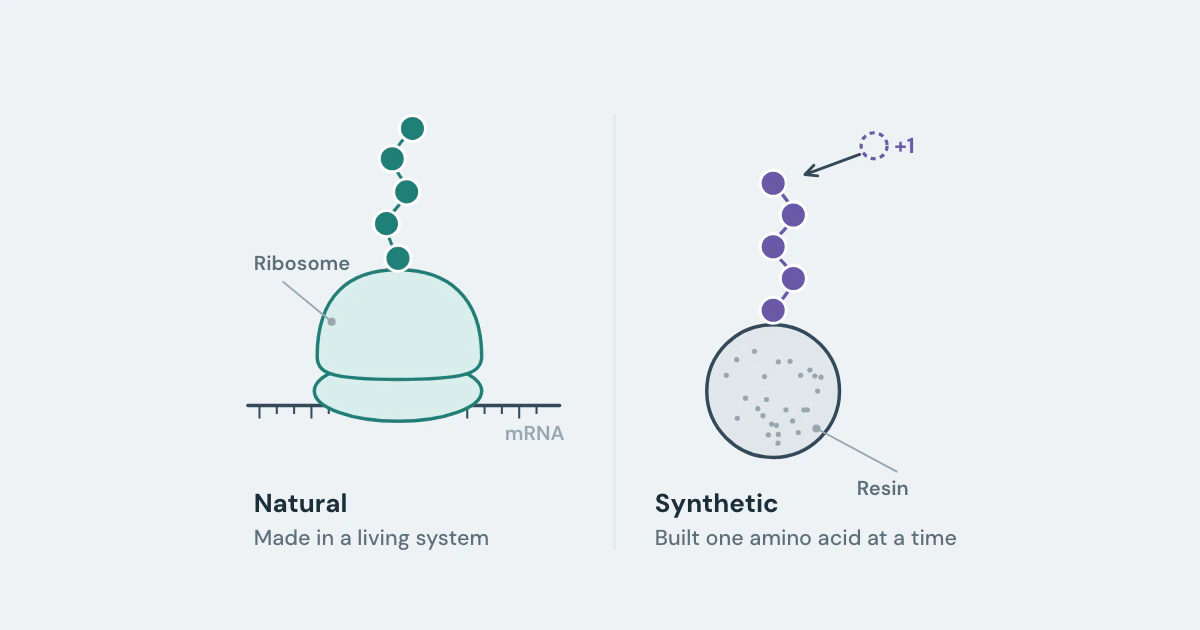
Natural and Synthetic Peptides
See how biological origin, sequence design, synthesis, purification and quality control distinguish natural and synthetic peptides.
6 min read
Understand the calculator
The concentration, volume and syringe-unit math behind every result.
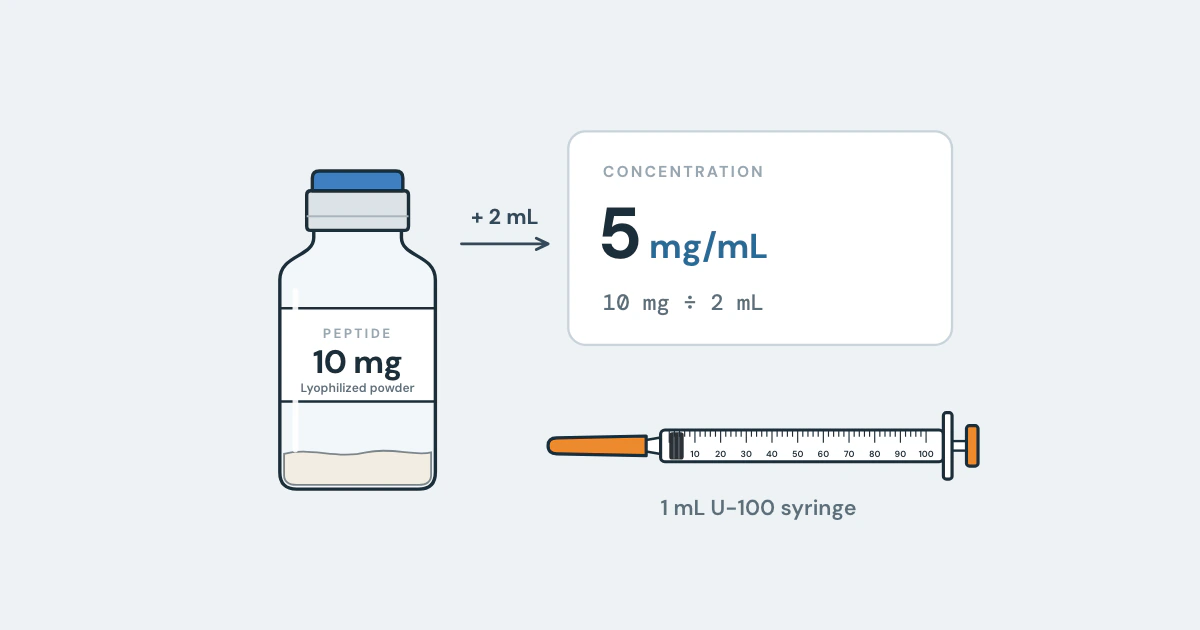
How a Peptide Calculator Works
Understand the concentration, reconstitution-volume and syringe-unit math a peptide calculator performs, and how to verify every input.
7 min readmg, mcg, mL and Units
How a dose written in micrograms becomes a volume in milliliters and a reading in syringe units or pen clicks, with the conversion tables and the mistakes that cause most errors.
9 min read
Explore the research themes
How the major areas of peptide research are studied, and what the evidence does and does not show.
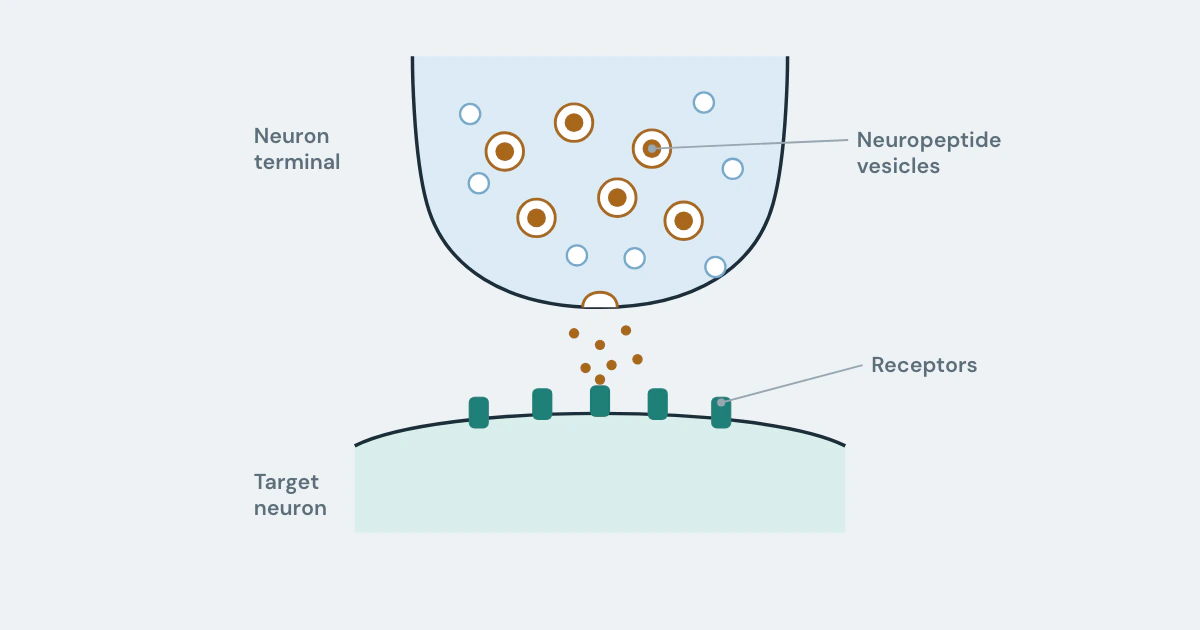
Peptides in Cognitive Research
Map the research around neuropeptides, cognition, stress signaling and sleep while separating approved medicine from experimental compounds.
10 min read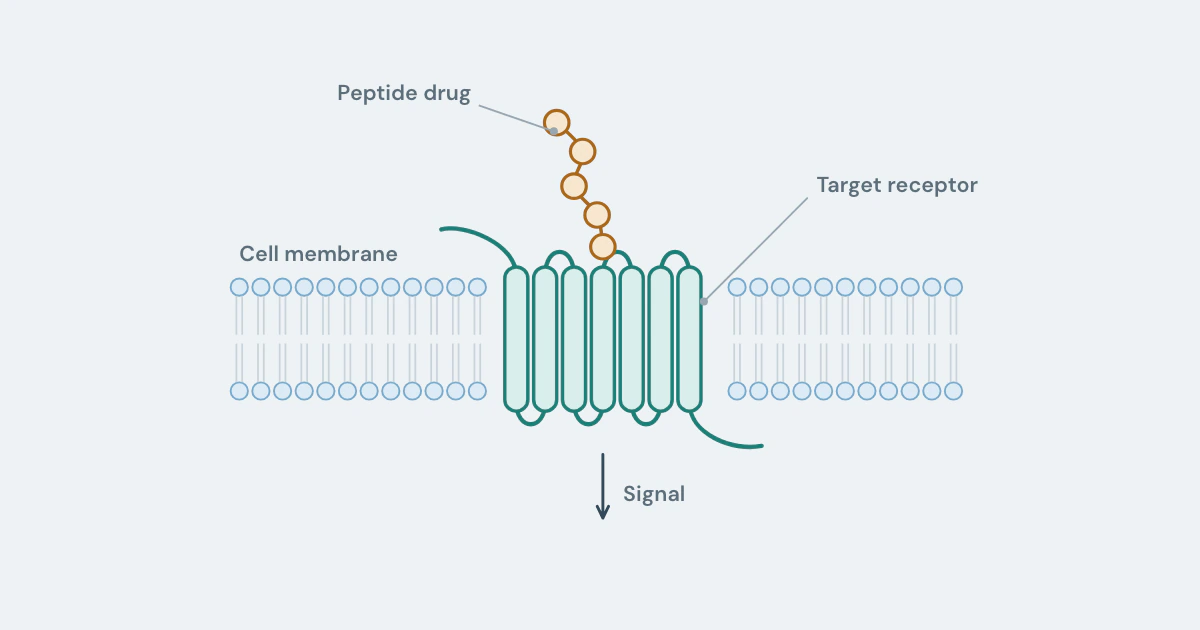
Peptides in Modern Medicine
Follow a peptide medicine from biological target and molecular design through delivery, clinical trials, approval and monitoring.
9 min read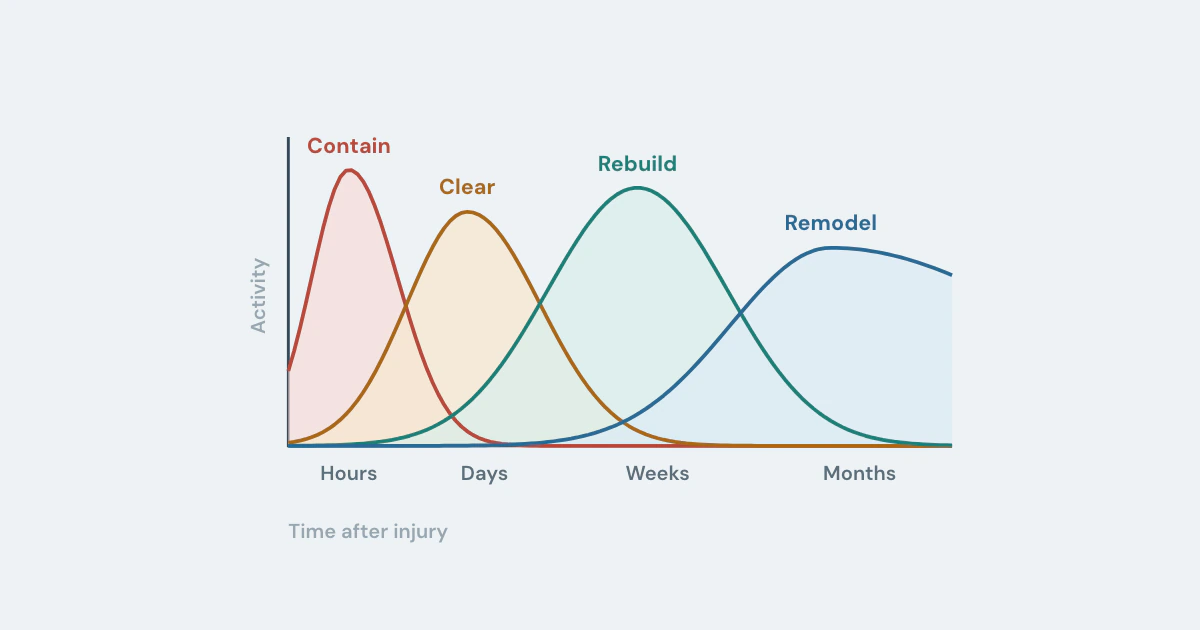
Healing, Inflammation and Recovery
Explore tissue-repair and inflammation research by pathway, compound and evidence level, with clear limits for preclinical findings.
9 min read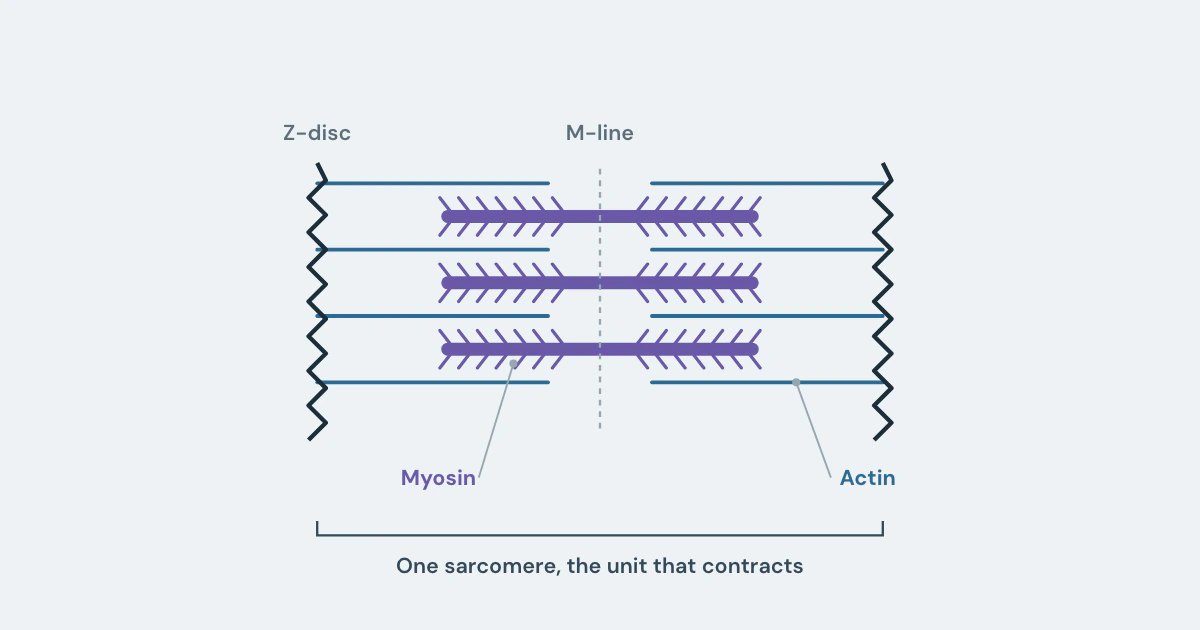
Muscle Growth and Recovery Research
Understand the pathways studied in muscle and exercise models, and why hormone signaling, tissue repair and proven outcomes are not interchangeable.
9 min read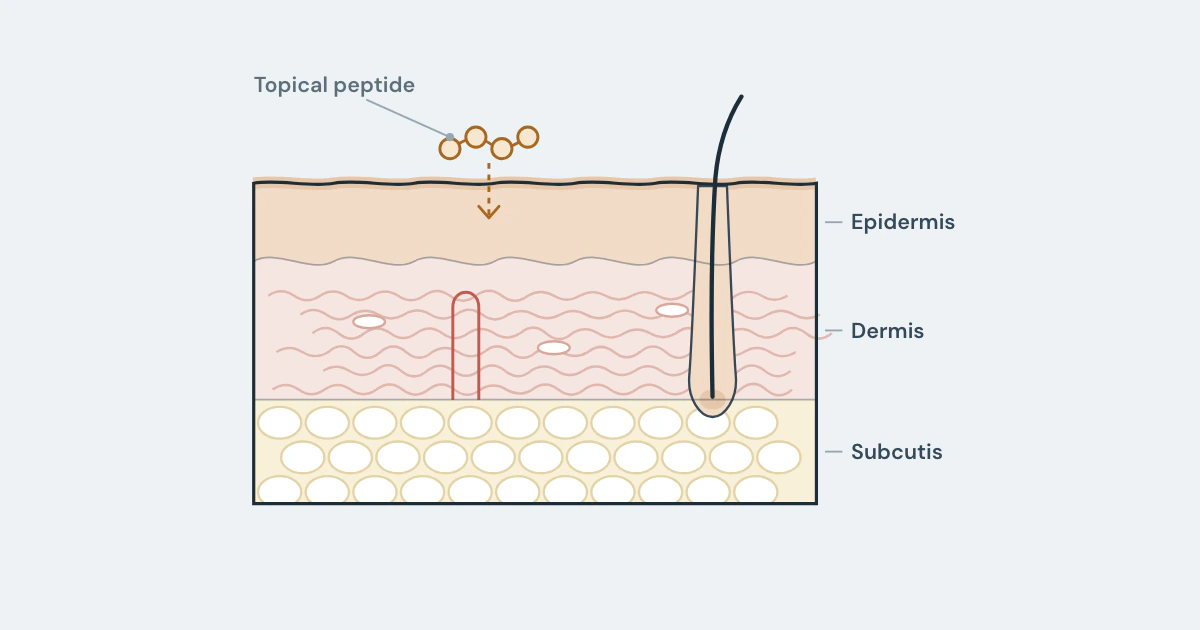
Peptides in Skin Research
Learn how signal, carrier, enzyme-inhibiting and neurotransmitter-targeting peptides are formulated and studied in topical skincare.
8 min read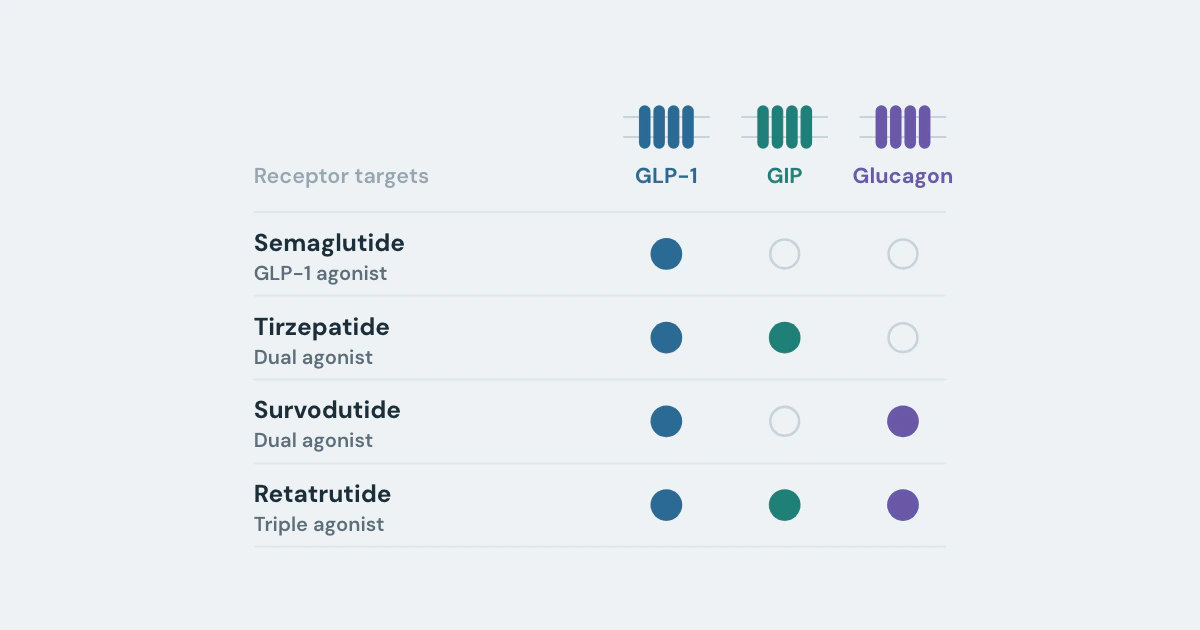
Metabolic and Weight Research
Compare established incretin medicines with experimental metabolic peptides by target, evidence level, prescription status and research limits.
10 min read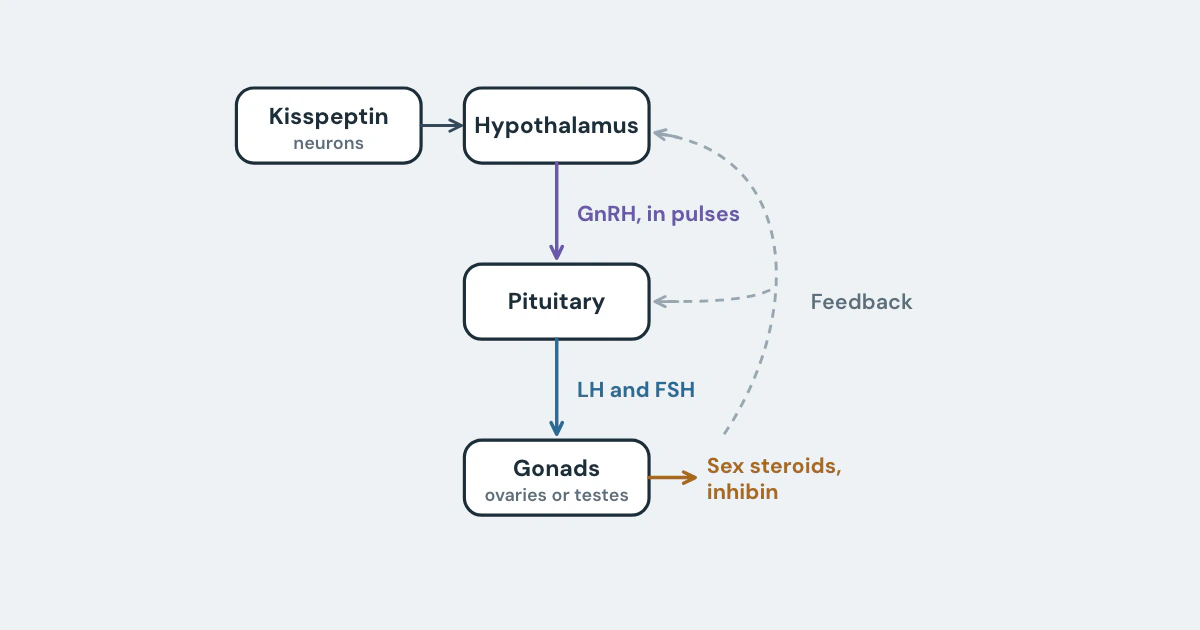
Hormonal and Sexual Health Research
Explore reproductive and hormonal signaling by mechanism, approved use and evidence level without grouping unlike compounds together.
9 min read
Answers on specific compounds
The questions asked most often about individual peptides, answered from the same sourced dossiers the compound library uses.
BPC-157: What the Research Actually Shows
What human and animal studies report for BPC-157, how the amounts people quote were derived, and what its regulatory status is.
9 min readBPC-157 vs TB-500: How the Two Differ
Two repair peptides that get stacked together, compared on structure, mechanism, evidence quality and what the blend vial actually contains.
8 min readSemaglutide vs Tirzepatide: What the Trials Found
A head-to-head read of the phase 3 programs, the receptor difference behind them, and the approved escalation schedules on each label.
10 min readRetatrutide: The Triple Agonist Explained
What the triple receptor agonist does differently, the weight-loss figures its trials reported, and why it is still investigational.
8 min readGHK-Cu: What Copper Peptide Research Shows
The copper tripeptide behind most skin blends: what studies report, why the copper complex is fragile, and how that changes handling.
8 min readCJC-1295 and Ipamorelin: The GH Secretagogue Pair
Why a GHRH analog and a ghrelin-receptor agonist are sold together, what each does, and what the pair has and has not been tested for.
9 min readHow to Reconstitute a Peptide, Step by Step
The full reconstitution sequence with the arithmetic behind each step, the mistakes that ruin a vial, and how to check your own result.
9 min readBacteriostatic Water, Sterile Water, Acetic Acid: Which Diluent
What separates the four liquids a vial gets dissolved in, what each label actually says, and which peptides need an acid or a buffer.
8 min readPeptide Storage and Shelf Life: What the Evidence Supports
Where the 28-day figure comes from, what changes once a vial is mixed, and which claims about freezing and shelf life have nothing behind them.
7 min readHow to Read a Peptide Certificate of Analysis
What a certificate of analysis can and cannot tell you, how to read the HPLC and mass-spec pages, and what product testing has found.
8 min readHow to Reconstitute a Compound With DMSO as the Solvent
Why SLU-PP-332 needs DMSO instead of water, the two-step stock-and-dilution method guides describe, and the limits that come with the solvent.
8 min read